

Natural Loose Gemstones
Otzera — Gemstones Worth Collecting.
Chosen by a GIA Graduate Gemologist, rated on the transparent Otzera 50 scale and documented stone by stone — so you can collect with understanding, not guesswork.
Available now
The Collector’s Selection
-
 Exceptional — rated 46 of 50 on the Otzera 50
9.04 ct Mexican Fire Opal — Triangular Modified Brilliant
$12,200.00 -
 Exceptional — rated 46 of 50 on the Otzera 50
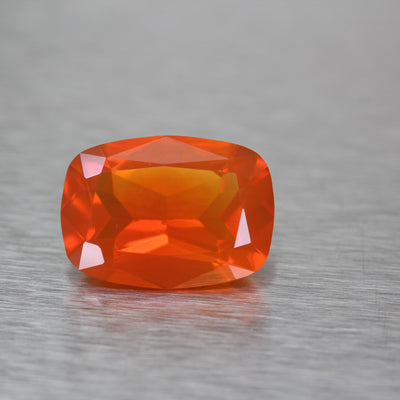
9.10 ct Mexican Fire Opal — Cushion Modified Brilliant
$12,285.00 -
 Exceptional — rated 46 of 50 on the Otzera 50
5.11 ct Oregon Sunstone — Triangular Modified Brilliant
$7,665.00 -
 Distinguished — rated 37 of 50 on the Otzera 50
39.06 ct Aquamarine — Emerald Cut
$6,845.00 -
 Signature — rated 43 of 50 on the Otzera 50
3.73 ctw Matched Oregon Sunstone Pair — Sun-Spangle
$1,993.75 -
 Exceptional — rated 46 of 50 on the Otzera 50
9.65 ct Vivid Blue-Violet Tanzanite — PGS Report
$14,475.00 -
 Distinguished — rated 39 of 50 on the Otzera 50
4.06 ct Ceylon Blue Sapphire — GIA Origin Report
$8,900.00 -
 Distinguished — rated 36 of 50 on the Otzera 50
1.47 ct Unheated Yogo Sapphire — GIA Origin Report
$9,850.00 -
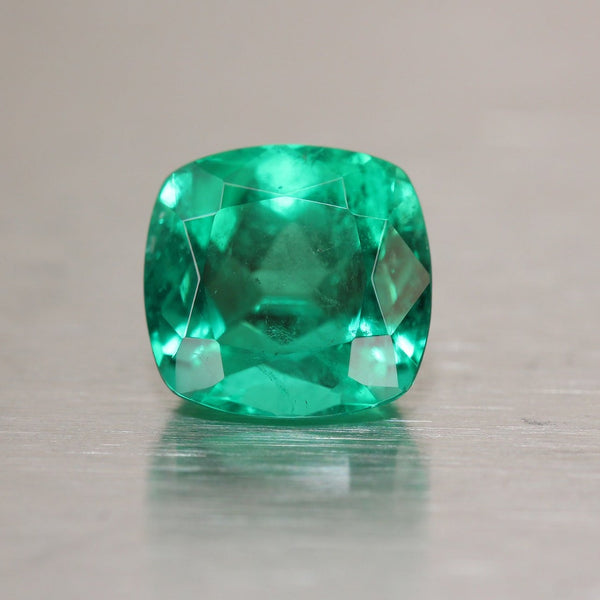 Distinguished — rated 38 of 50 on the Otzera 50
2.94 ct Colombian Emerald — GIA Origin Report
$14,725.00 -
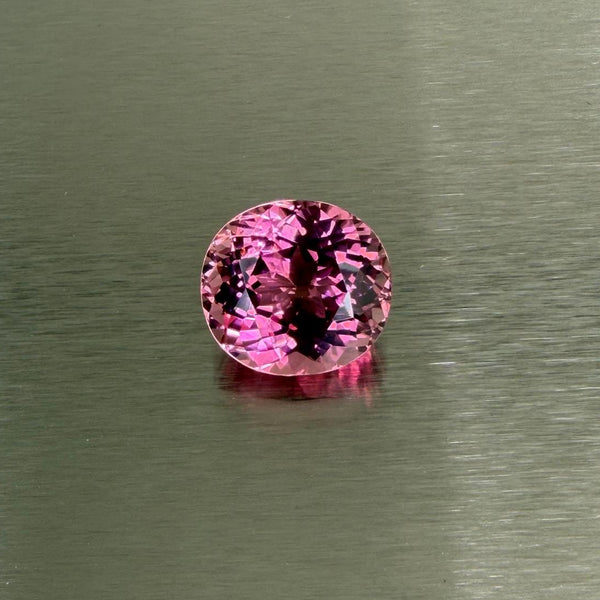 Signature — rated 41 of 50 on the Otzera 50
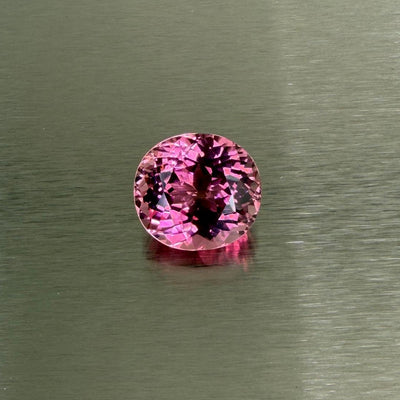
23.58 ct Natural Pink Tourmaline
$8,050.00


-
 Distinguished — rated 35 of 50 on the Otzera 50
2.51 ct Aquamarine — Emerald Cut
$795.00 -
 Discovery — rated 27 of 50 on the Otzera 50
3.81 ct Emerald — Emerald Cut
$1,495.00 -
 Collectible — rated 28 of 50 on the Otzera 50
3.53 ct Blue Spinel — Oval Mixed Cut
$1,395.00 -
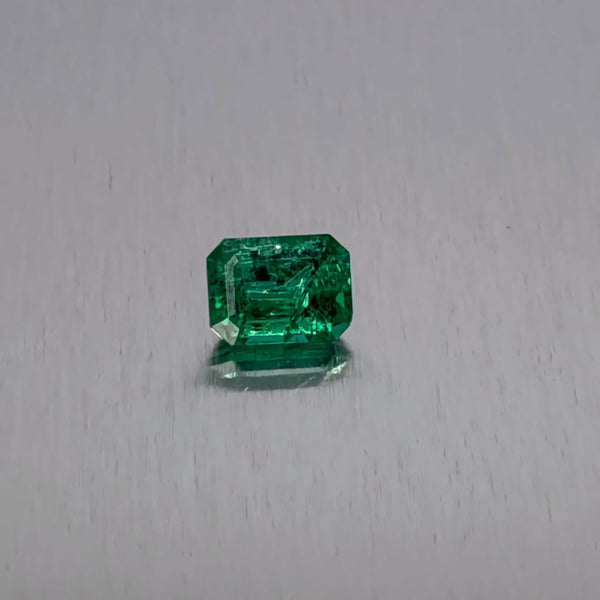 Collectible — rated 33 of 50 on the Otzera 50
1.10 ct Emerald — Emerald Cut
$895.00 -
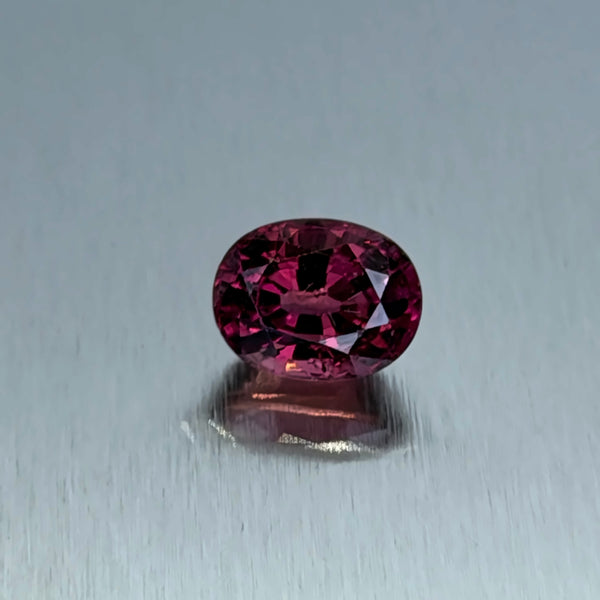 Collectible — rated 30 of 50 on the Otzera 50
4.33 ct Pink Tourmaline — Oval Mixed Cut
$1,295.00 -
 Discovery — rated 27 of 50 on the Otzera 50
1.29 ct Blue Sapphire — Round Mixed Cut
$565.00 -
 Collectible — rated 31 of 50 on the Otzera 50
1.14 ct Natural Ruby — Oval Mixed Cut
$1,295.00 -
 Collectible — rated 29 of 50 on the Otzera 50
1.51 ct Deep Blue Sapphire — Oval Mixed Cut
$695.00 -
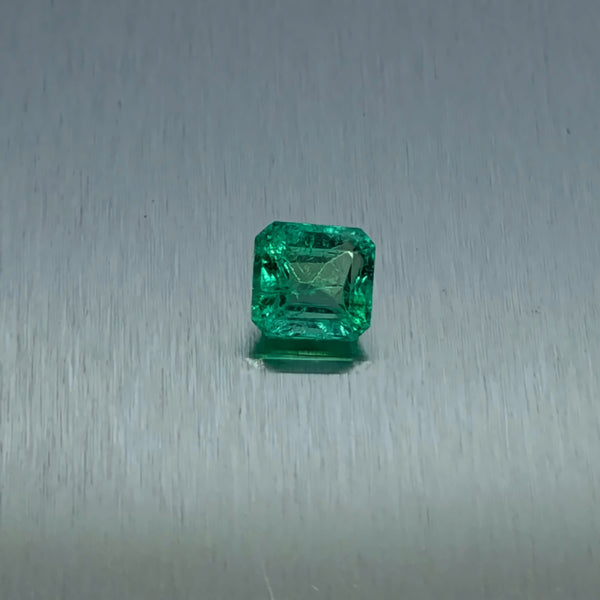 Discovery — rated 27 of 50 on the Otzera 50
1.02 ct Emerald — Emerald Cut
$795.00 -
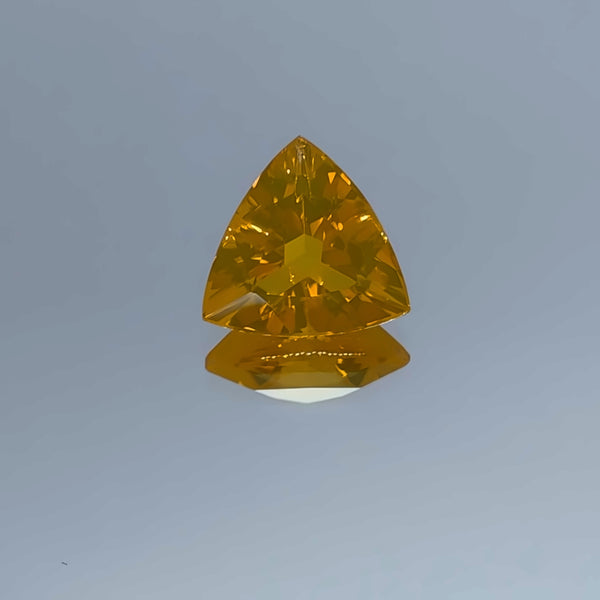 Collectible — rated 33 of 50 on the Otzera 50
4.56 ct Fire Opal — Triangular Modified Brilliant Cut
$1,095.00


Your collection starts here
Shop natural gemstones
Browse by species, by the color a stone shows face-up or by its Otzera 50 classification.







The Otzera 50
How we read a stone
Colored gemstones have no universal grading system — the variables are too complex for one scale. The Otzera 50 is our answer: fifty points, weighted toward beauty and always judged relative to the species.
- Color
- Cut & Optical Performance
- Clarity & Transparency
- Rarity & Collectibility
Color and cut together account for close to two-thirds of the score, because beauty is why gemstones matter. Origin, treatment and documentation are disclosed in full and can add collector significance — but they never outweigh the stone itself. A high score does not mean a high price, and a modest stone can rate strongly within its own kind.
See the rating system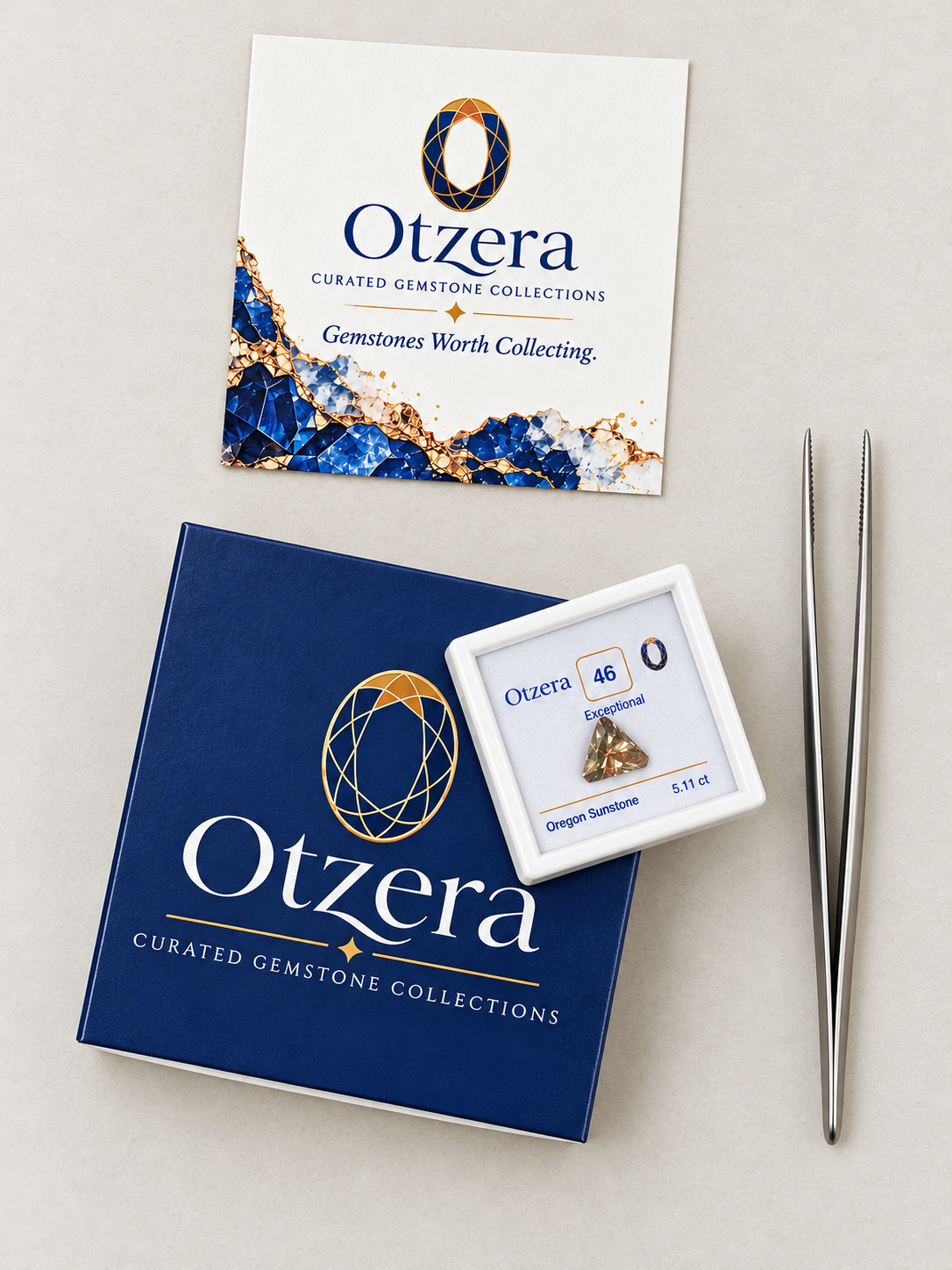
The Digital Gem Passport
Know the Gem. Own the Story.
Every Otzera-rated gemstone arrives in a numbered case, with its Otzera ID printed on the label and on the insert card inside. That ID opens the stone’s permanent online record — its gemology, its Otzera 50 evaluation and the reasoning behind the score.
-
The Otzera 50 evaluation
The score, its classification and the reasoning behind it.
-
Gemology, origin and treatment
A gemological summary, with origin and treatment disclosed in full.
-
Why Otzera selected it
The case for this particular stone, with its media archive and care guidance.

Meet the Gemologist
A name behind every stone
Otzera is led by Eitan Tashey, a GIA Graduate Gemologist whose work across gemological laboratories, international auction houses and gemstone teaching shapes every selection. He was in residence at GIA in New York in 2006 and has worked in the gem trade since.
The person who chooses each stone is the same person who evaluates it, describes it and stands behind it.
Collect with Otzera
Collections, curated for you
A new natural gemstone every month, or a complete collection built around your goals — each stone selected, evaluated and documented by Otzera.
 From $99 a month
The Gem Club
A monthly collecting program for curious beginners and established collectors alike. Each month brings a unique natural gemstone, selected to grow your collection over time.Explore the Gem Club Personal curation
Curated Collections
Share your goals and we will propose a selection — presented together, documented individually and assembled in groups of five, ten or twenty.Begin a Curated Collection


Learn the material
The Collector’s Guide
Plain-spoken guides to what makes a gemstone worth owning — and how to look after it once it is yours.
 Begin collecting
Collecting Gemstones
How the great collections were built — and how to begin one of your own, one considered stone at a time.Read the guide Care
Caring for Gemstones
Simple guidance for cleaning, handling and storage that keeps every stone in your collection at its best.Read the guide Gemstone guides
The Sapphire Guide
Color, origin and treatment, explained for one of the world’s most recognized colored gemstones.Read the guide


